

Have you ever imagined how a small book can open up a vast world full of knowledge and discovery for your children? The best educational books for children are no longer just tools for entertainment or pastime; they have become bridges that enable them to cultivate thinking skills, develop linguistic abilities, and boost their self-confidence. These books combine fun and learning, encouraging curiosity and exploration in an engaging way that stimulates young minds to explore everything new.
With a variety of methods—ranging from learning through play and sensory experiences to emotionally rich stories—choosing the best educational books for children has become an important step for every mother and father who wants to give their children a gift whose impact will remain present in the future.
What are the best educational books for children?
The best educational books for children are those that combine utility and pleasure, such as interactive books that encourage participation, picture books that attract attention and develop imagination, as well as emotional intelligence books that help in understanding and dealing with feelings, and healthy habits books that instill positive behaviors in daily life.
Studies indicate that these books contribute to language development and the strengthening of motor, cognitive, and social skills, especially when chosen carefully to suit the child's interests and age group, making them an effective educational tool that supports learning in a fun way.
How do I choose the right book?
Choosing the right book depends on paying attention to the child's needs and individual characteristics so that the desired benefit of reading is achieved and the experience engages their interest.
- The book should be appropriate for the child's age to match their level of understanding.
- It is important to consider the child's inclinations and interests to ensure their engagement with the content.
- It is preferable to choose books that include sensory or interactive elements to stimulate curiosity.
- Strong craftsmanship and material quality ensure the book’s longevity during use.
- Books that support dialogue or discovery help children with critical thinking and interaction with those around them.
Why are interactive books considered the best?
Interactive books are considered among the best educational books for children because they blend play and learning into a single experience, making reading an enjoyable activity full of benefits. They support the senses, increase children’s concentration, and instill a love for knowledge from an early age. Among their most prominent benefits:
- They help develop fine motor skills through manipulating various parts.
- They increase a child's attention and ability to focus for longer periods.
- They stimulate a passion for reading and make the book an enjoyable experience rather than a chore.
- They support sensory integration by engaging sight, touch, and sometimes hearing.
- They develop emotional and social intelligence by encouraging the expression of feelings and interaction with others.
- They foster independence and self-confidence through individual activities that the child completes on their own.
How do they support motor skills?
Through parts that can be moved or folded, the child develops better eye-hand coordination. These small activities, such as opening a hidden window or moving a slider, contribute to enhancing fine hand control, which prepares them for writing, drawing, and daily tasks that rely on precise movements.
What is their impact on cognitive development?
Interactive books stimulate a child's memory and prompt them to use their imagination to solve problems. When they discover solutions on the pages or interact with an activity, they begin to develop logical thinking and the ability to connect events. This type of experience does not just give them information, but also teaches them how to research and think independently.
Do they foster emotional connection?
The interactive reading experience opens the door for children to express their feelings and discuss the story with others. When a child shares activities with parents or friends, they learn dialogue, listening, and expressing their opinion clearly. These simple moments nurture their emotional intelligence and deepen their social bonds.
How do educational books support emotional intelligence?
The best educational books for children that focus on emotional intelligence contribute to helping little ones understand their emotions and express them clearly. Through stories and dialogue, the child recognizes life situations similar to what they experience daily, gradually learning how to deal with anger or frustration, and how to control themselves in different situations. This type of early learning is directly reflected in their social relationships and their academic and psychological future.
What are emotional intelligence skills?
Emotional intelligence is not just recognizing feelings; it is a set of abilities that make a child more aware of themselves and others. When educational books present them with situations related to daily life, they enhance these skills in a natural and easy way.
- The child learns to name their feelings, such as joy, sadness, or anxiety, rather than just remaining silent or acting impulsively.
- They acquire the ability to empathize and understand what others are feeling, which supports them in building healthy friendships.
- They practice self-control and dealing with annoying situations in a calmer way.
- They develop flexibility in behavior that makes them capable of adapting to changes and problems.
Do educational stories help in cementing healthy habits?
Educational stories are a fun and effective way to instill healthy habits in children, as they make simple information relate to life situations close to them. The best educational books for children that cover topics such as dental care or personal hygiene help turn these behaviors into a natural part of daily routine. Through sequential events and lively characters, the child is able to understand the importance of healthy behavior and repeat it easily.
- Stories present realistic situations in a fun style, making healthy advice more applicable in daily life.
- The presence of fun cartoon characters makes concepts of cleanliness and personal care clear and lovable to the child.
- Books help prepare the child for new experiences such as visiting the doctor or brushing teeth for the first time and reducing the associated anxiety.
- Repeated roles and sequential events within the story help the child practice and repeat good behavior until it becomes a habit.
How do they engage the child?
Stories engage the child through visual elements and a compelling plot, using characters close to their world, such as fictional heroes or cute animals. These characters encourage them to imitate their behavior, so they interact with the story and apply healthy concepts in a natural and lovable way, far from direct orders.
What are the best educational books for children from Toyologies?
The Toyologies store in Kuwait offers a collection of books that combine entertainment and utility, as it is keen to import high-quality products that support children’s cognitive, sensory, and social development. Among these distinctive editions are two books that have received great interaction from children and mothers due to their fun design and educational content.
Educational book for little ones about feelings
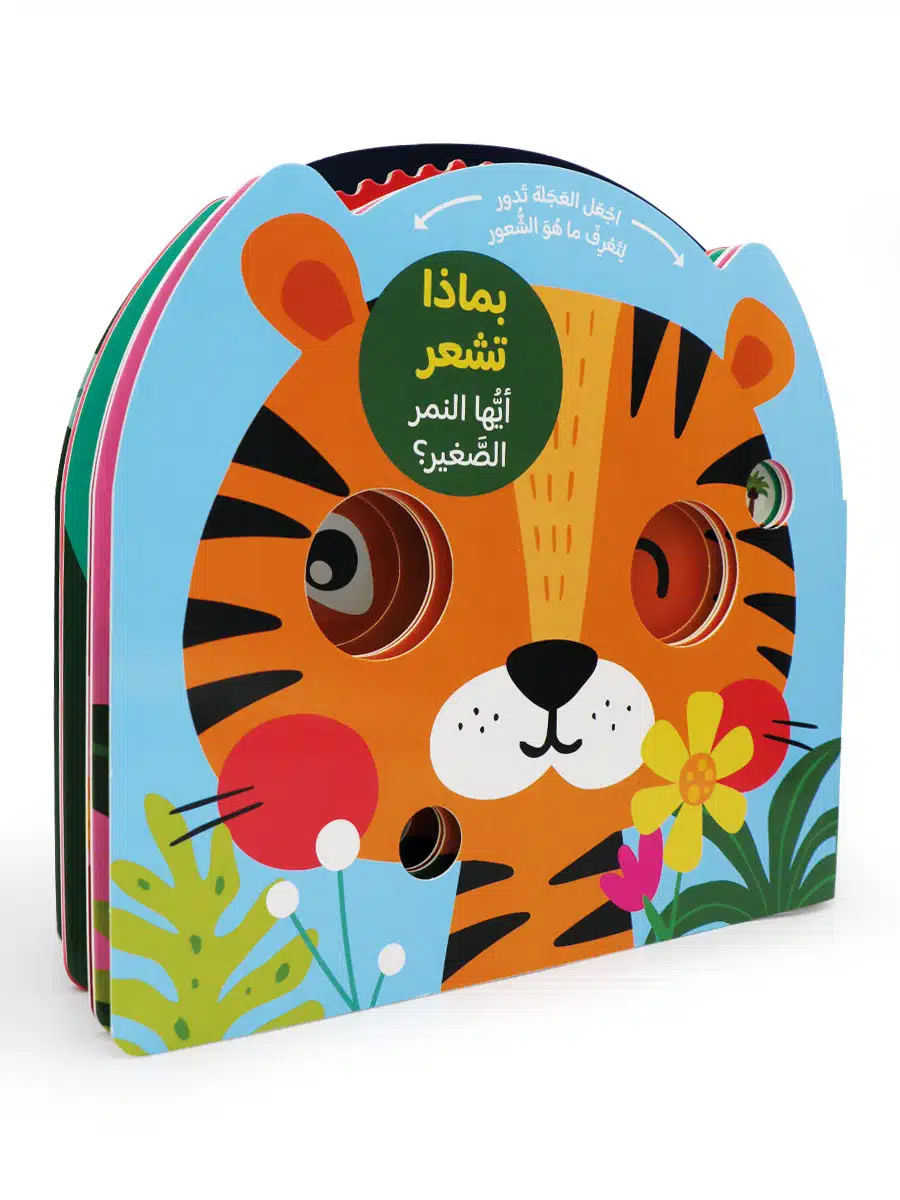
The interactive educational book for little ones about feelings comes in the shape of a colorful tiger face, specifically designed to help children recognize and express feelings easily. It features kinetic elements such as moving eyes and sturdy, durable pages suitable for small hands. The book combines simple words and attractive illustrations to create a fun experience suitable for the preschool stage, which helps children build an emotional vocabulary and interact better with their surroundings.
Educational book for children about brushing teeth
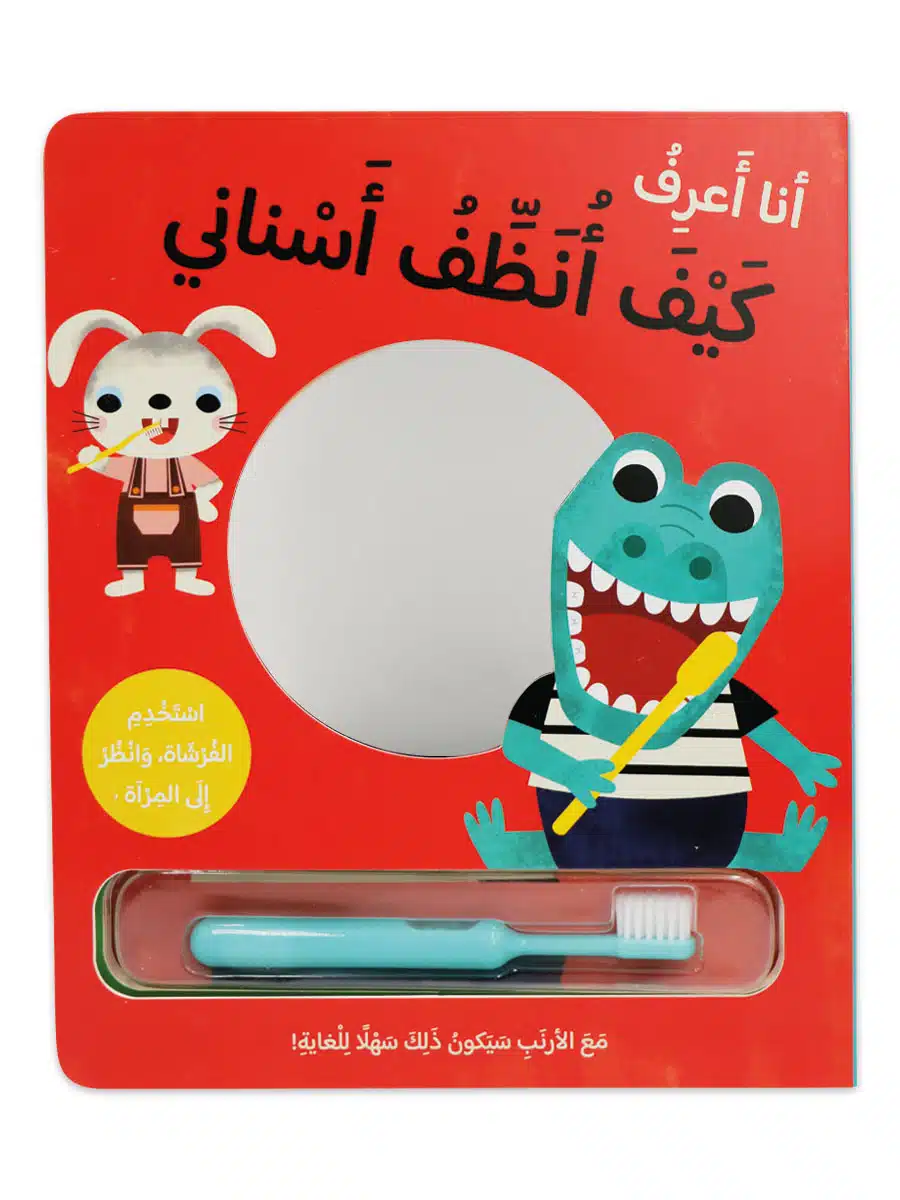
The interactive educational book for children about brushing teeth supports an important habit in children's lives: brushing teeth. It presents the story with fun illustrations and characters close to little ones' hearts, and includes a real toothbrush and a built-in mirror to allow them to practice what they have learned themselves. Thanks to its durable materials and clear illustrations, learning becomes a fun and easy process for children, which encourages them to adopt healthy daily habits with joy and enthusiasm.

Frequently asked questions about the best educational books for children
How do stories help children put themselves in others' shoes?
Stories give children the opportunity to indirectly experience the characters' feelings; when they see how a hero faces a problem or feels sadness and joy, they learn empathy and gain the ability to appreciate others' feelings. This enhances their social skills and makes them more aware when interacting with their peers.
Do educational stories help in cementing healthy habits?
Yes, educational stories are a fun and effective way to instill healthy habits in children. When the story covers topics like dental care or personal hygiene, it connects these behaviors to life situations close to the child, making them easy to understand and apply. Thus, health advice becomes a natural part of the child's daily routine.
What makes stories a successful tool for teaching children behaviors?
Stories present realistic situations in a fun way with attractive characters, which helps the child absorb values and behaviors indirectly. This approach makes educational messages more impactful and applicable to daily life, increasing the likelihood of repeating positive behavior.
The best educational books for children play a pivotal role in developing their minds and broadening their horizons. They are not limited to providing knowledge only but also contribute to instilling values, developing imagination, and supporting social and emotional skills. Therefore, be sure to provide fun and high-quality books that combine interaction and utility, and consider your children's interests and needs at different age stages.