

Many parents are searching for the answer to an important question: how to choose the right toys for their child, amidst a vast amount of local and global options. This task becomes even more complex with imported toys from Japan and Australia that feature high quality and great variety, making selecting what suits a child's age and needs a real challenge.
In this article, you will find clear focal points and practical principles to help you know how to choose toys that contribute to developing your child’s cognitive, motor, social, and emotional skills.
How to choose the right toys?
When thinking about how to choose toys, we must keep in mind that a toy is not just a means of entertainment, but an educational and pedagogical tool that helps build a child's personality and develop their skills. Therefore, choosing the right toy requires looking at multiple aspects related to age, educational value, and safety standards.
Every toy offers a different experience; some develop mental and linguistic abilities, others support social skills and cooperation, while certain toys help refine motor skills. This is where the role of parents comes in—to scrutinize and research before buying any toy by reading reviews, checking professional recommendations, and looking into the product's quality and its compliance with international specifications.
What is the importance of age when choosing?
Age is the key factor in how to choose toys, as each age stage reflects different abilities and readiness in a child. Toys that suit younger children should be simple, safe, and have limited components, while older children need more complex toys that help them with critical thinking and creativity. Choosing a toy that is not age-appropriate may lead to either a feeling of boredom or potential risks.
How do I determine the educational value?
To determine the educational value when choosing toys, you must look at the pedagogical goal the toy serves. Some toys contribute to language development and communication abilities, while others help enhance logical thinking or teach cooperation and teamwork. The more a toy is linked to a specific skill or cognitive field, the greater its value in supporting the child’s holistic growth.
You can also check out:
The best ways to organize children's time
How can screen time be reduced?
Why should we pay attention to safety standards?
Safety is an integral part of how to choose toys, as ensuring the toy is free from small parts, sharp edges, or toxic materials protects the child from risks. Safe play allows them to explore the toy freely and joyfully without worry, and gives parents peace of mind that their children are using a product designed specifically for their safety.
What are the benefits of appropriate toys for a child?
Carefully selecting toys reflects on a child's development in several aspects that affect their daily life and future personality. Toys are not just for entertainment; they are educational and pedagogical tools that contribute to building multiple skills, helping the child balance knowledge, emotion, and movement. Among the most prominent benefits achieved by appropriate toys are:
- Enhancing memory and attention through challenges that stimulate the child's focus and encourage them to follow details.
- Developing analytical thinking and problem-solving through educational and construction toys.
- Strengthening social bonds through group play and turn-taking.
- Building self-confidence and a sense of achievement when completing a task or overcoming a challenge.
- Enhancing emotional control and releasing emotional energy in a safe and constructive way.
- Supporting hand development and fine motor skills thanks to sensory and coordination toys.
How do toys support cognitive development?
Educational and construction toys stimulate a child's mind to analyze details and connect ideas to reach solutions. Such activities contribute to training memory, enhancing focus, and developing the ability to innovate, making the child better prepared for academic learning and logical thinking.
What is the relationship between toys and social skills?
When playing with others, a child learns cooperation, respecting turns, and the ability to listen to others. Group interaction does not just reinforce the concepts of sharing, but also helps build healthy relationships based on mutual respect and trust.
Do they contribute to emotional growth?
Imaginative toys give the child a chance to freely express their feelings and embody different situations. This helps them understand and manage their emotions better; it also enhances their ability to empathize with others and emotionally integrate into their surroundings. It is important when thinking about how to choose toys to keep this benefit in mind, as imaginative toys contribute to building a balanced personality and developing the child's emotional and social intelligence.
How do toys improve motor skills?
Sensory and motor toys train the child to control hand and body muscles more precisely. They enhance hand-eye coordination and improve balance and physical agility, making the child more self-reliant in daily activities.
What are the best Toyologies toys?
The best Toyologies toys are those that blend fun with benefit, such as educational games that help children learn numbers and letters in innovative ways, sensory toys that develop perception and communication, in addition to construction and building sets that enhance logical thinking and creativity, and imaginative toys that open the door for expression and emotional integration. This collection makes every toy an enjoyable way to develop a child's skills at various age stages.
Coloring board for 3-year-olds

The coloring board for 3-year-olds from the Hey Doodle section offers a fun creative experience for children, as it contains a reusable coloring sheet with a design full of energy and fun, in addition to 9 washable markers. Children can easily erase the colors and re-color many times, making it a continuous activity that stimulates imagination. The material used is durable and withstands repeated use, and the included transparent bag makes it easy to carry anywhere, making it an ideal choice for activities while traveling or on the go.
Robot construction set
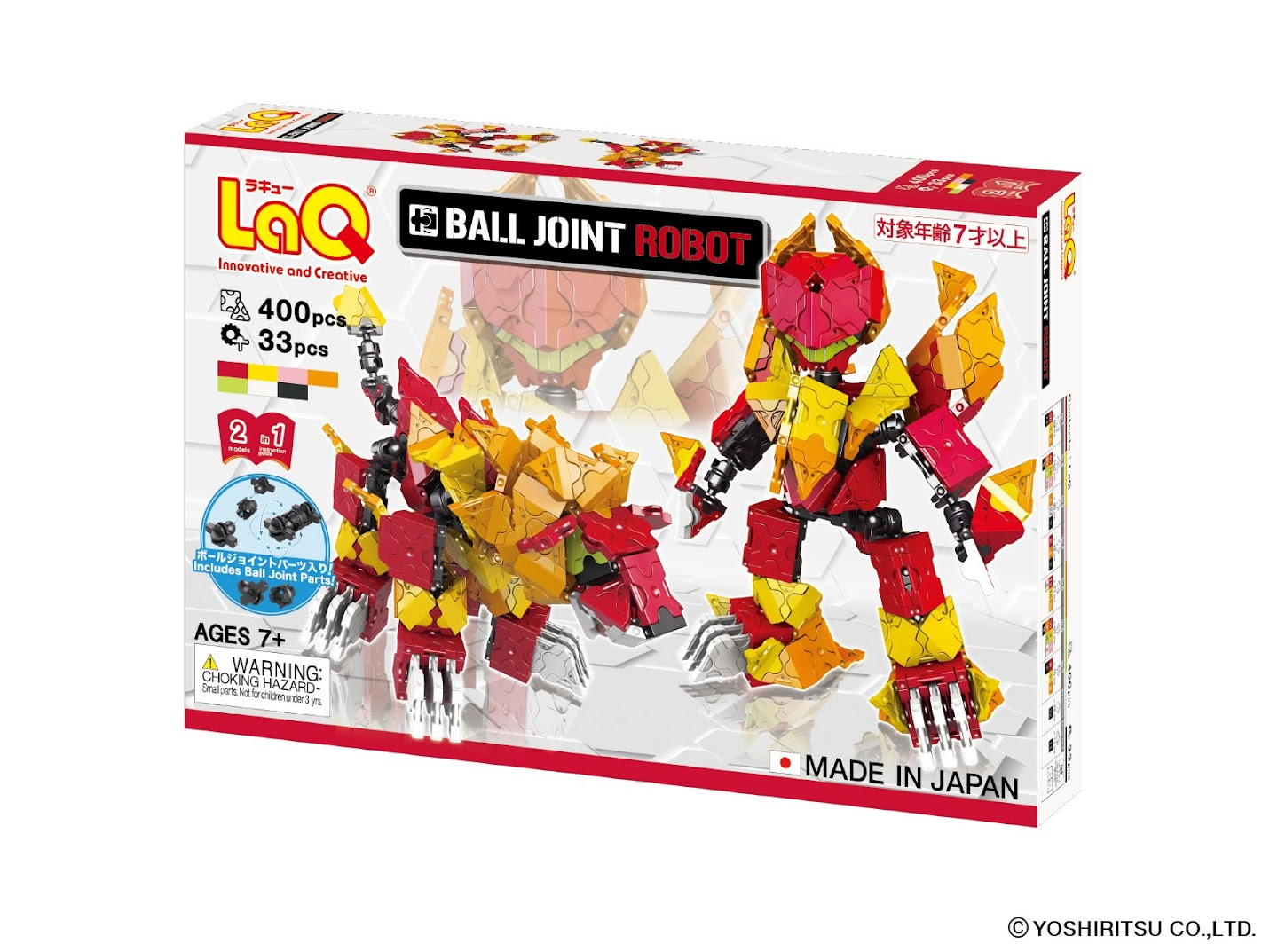
Robot construction set, which comes from the Laq section, opens up a world of design creativity for children. It consists of 400 pieces with ball joints that give the robots an amazing ability for realistic movement. The Japanese LaQ system relies on easy assembly without the need for tools, making the construction process smoother and more fun. The toy is made of high-quality materials like POM and ABS to ensure durability and is suitable for children aged 5 and up. An instruction guide is also included to help simplify the assembly steps.

Top Frequently Asked Questions about how to choose toys
How do I choose a suitable toy for my child?
To choose a toy that suits a child, you must know their age and the toy's safety level, in addition to the educational aspect and how well it aligns with their interests. It is also important to steer clear of non-pedagogical toys and to check others' reviews and experiences before making a decision.
What are the criteria for choosing educational toys?
The toy must support the curriculum or educational goals that are in harmony with the child's academic level. It is important that the instructions be clear and easy so the child can understand them without complication. It should fit the child's mental abilities and help them develop their skills. Providing an element of suspense is essential to attract the child and motivate them to continue. Ease of control and access to the toy's tools enhances the effectiveness of learning. It is best that the toy encourages interaction and participation rather than just individual use.
What are the conditions of a good toy?
It must have a specific pedagogical goal that enhances learning or develops a certain skill; it must be fun and attractive so that the child feels enthusiastic about repeating the play; avoid excessive complexity and ensure simplicity; set easy rules that are compatible with the child's age to ensure comprehension.
How to choose toys is not limited to just the child's enjoyment, but is based on considering their age, the toy's safety level, and its quality, in addition to the variety of ways to play it offers. When you combine these elements, you give your children tools that help them develop their mental, physical, social, and emotional abilities in a healthy and fun environment.